
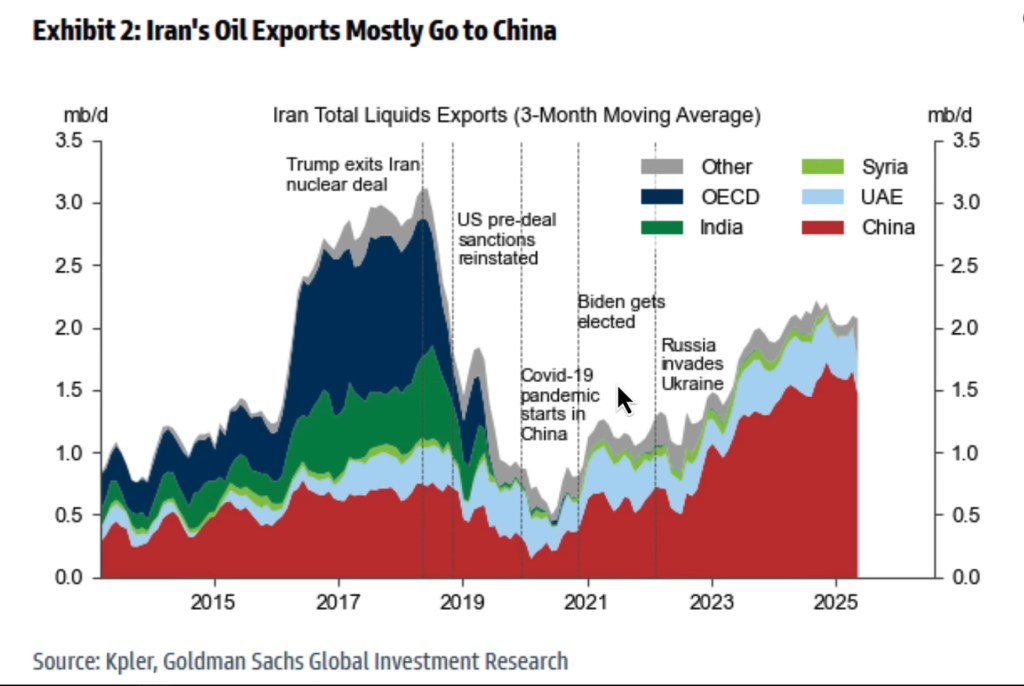
China’s role in the Iran‑Israel conflict isn’t born of strategic grandstanding, but of pragmatic energy calculus. Iran, tightly constrained by Western sanctions, has increasingly tethered its oil lifeline to Beijing, now accounting for approximately 85 percent of its oil exports. This near‑monopsony suits China: discounted crude in exchange for geopolitical reticence.
As reported by DW, Chinese foreign policy architect William Figueroa characterizes Beijing’s posture as disinterested—“no appetite to be involved”—not out of moral high ground, but capacity constraints. China lacks the regional military flexibility to act without risking broader escalation .
Still, China’s leverage through energy dependence is undeniable. Iran’s oil-for-infrastructure deals and shadowed military nods were strategically banked on Beijing’s commitment. Yet today, when conflict flares, China leans on diplomacy, not arms. It presses for de‑escalation, cautioning both Tehran and Jerusalem to respect sovereignty, even rarer is criticism of either side .
The energy dependency is a double‑edged sword for Iran. Beijing’s near‑total reliance on Iranian oil funds Tehran’s missile program and nuclear ambitions, aggravating Israel’s security paranoia. But it also binds China into a delicate balancing act: supporting Iran’s financial engine, while publicly prioritizing stability over alliance .
China’s strategic calculus is clear: high stakes in Middle Eastern energy flows, particularly through the Strait of Hormuz, where Iranian turbulence can rattle global oil markets. Yet China remains reluctant to step into the fray militarily. For Iran, this means continued economic lifelines without the military umbrella it may have hoped for .
China, the unwilling oil financier, perches on the periphery holding Tehran’s purse-strings but keeping its own hands clean. China offers Iran economic oxygen, but not military shelter, its cowed neutrality now the least risky of many bad options.

 Global Macro Monitor