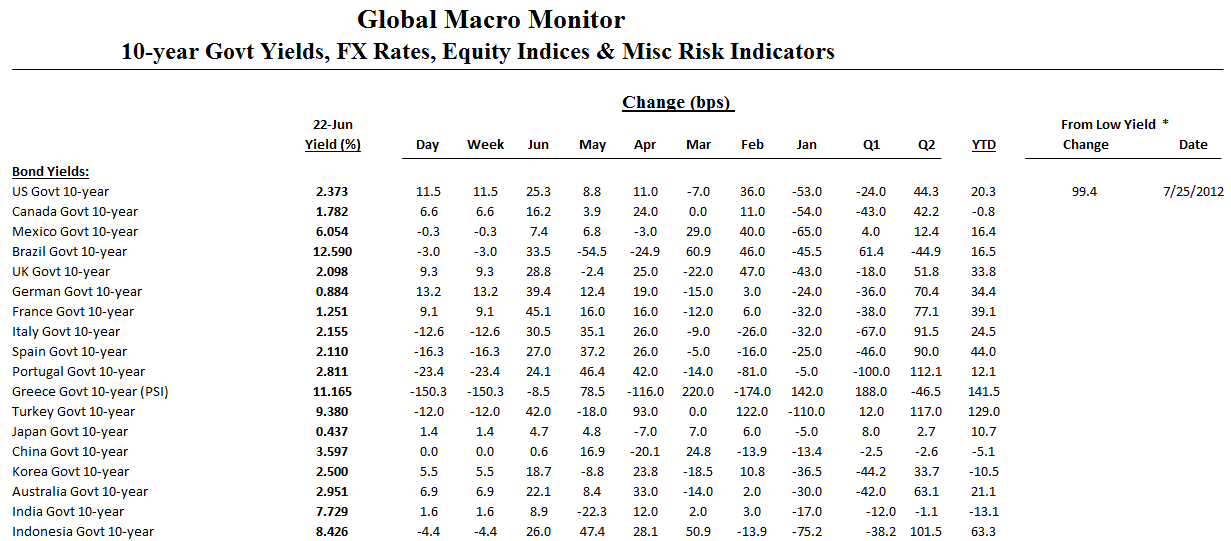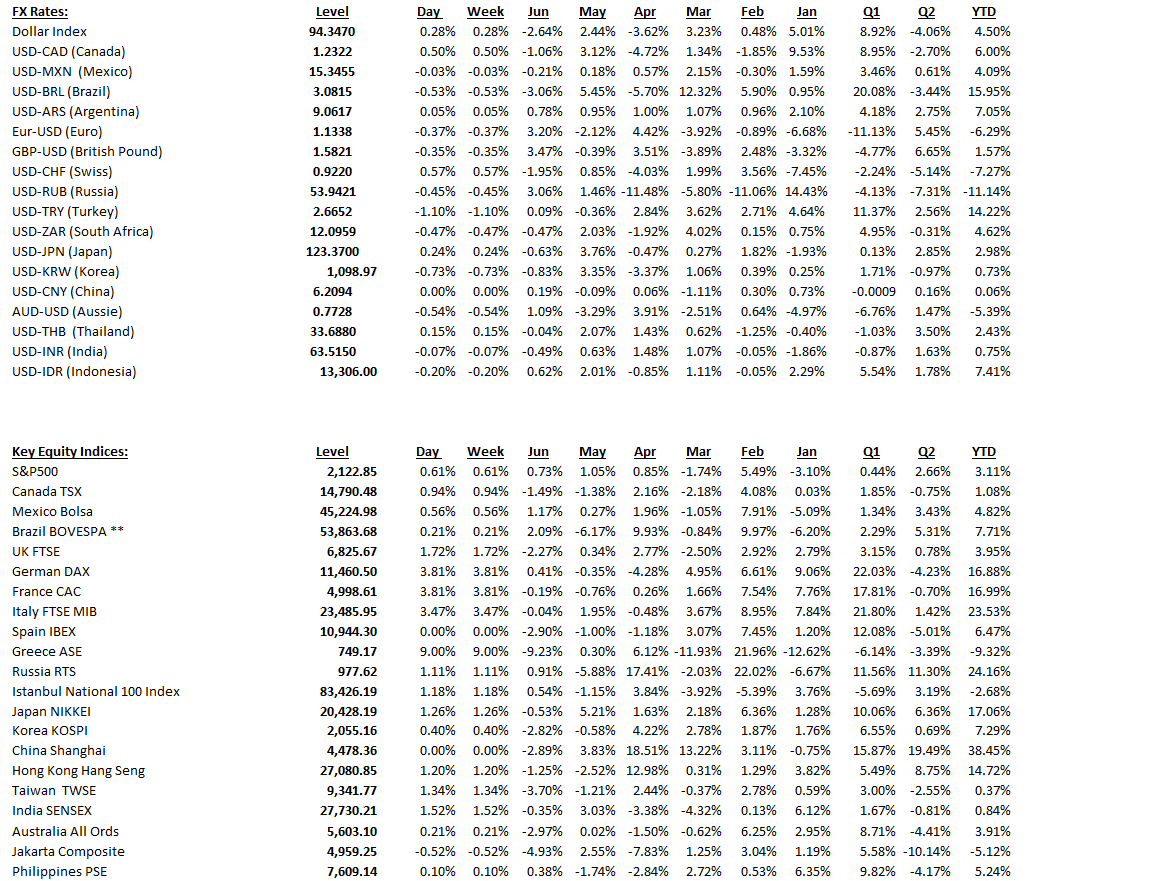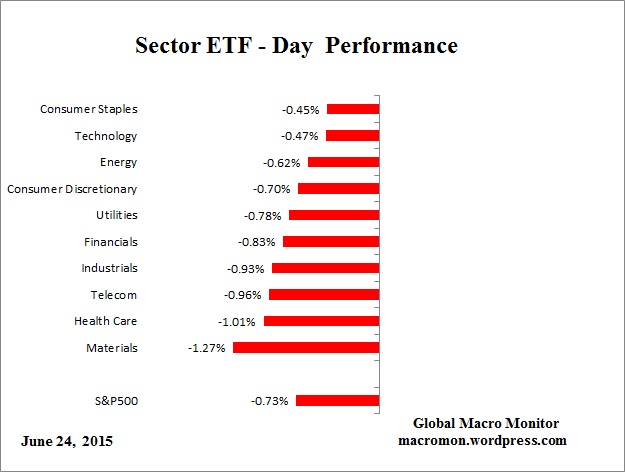
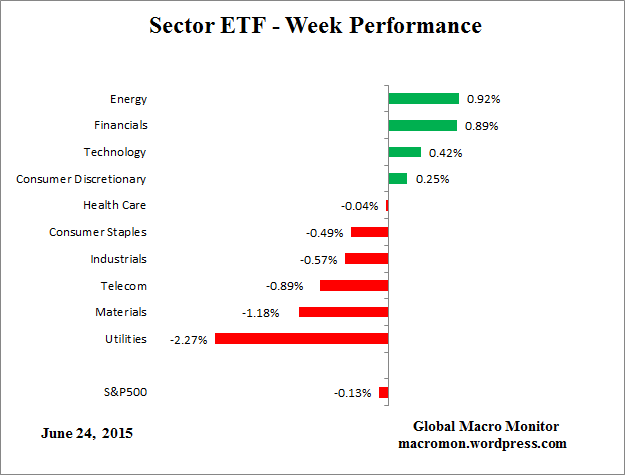
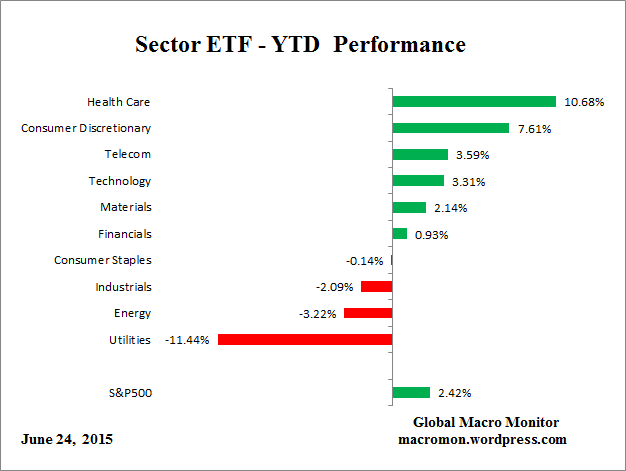
(click here if charts are not observable)
(click here if charts are not observable)
Click on table to enlarge and for better resolution


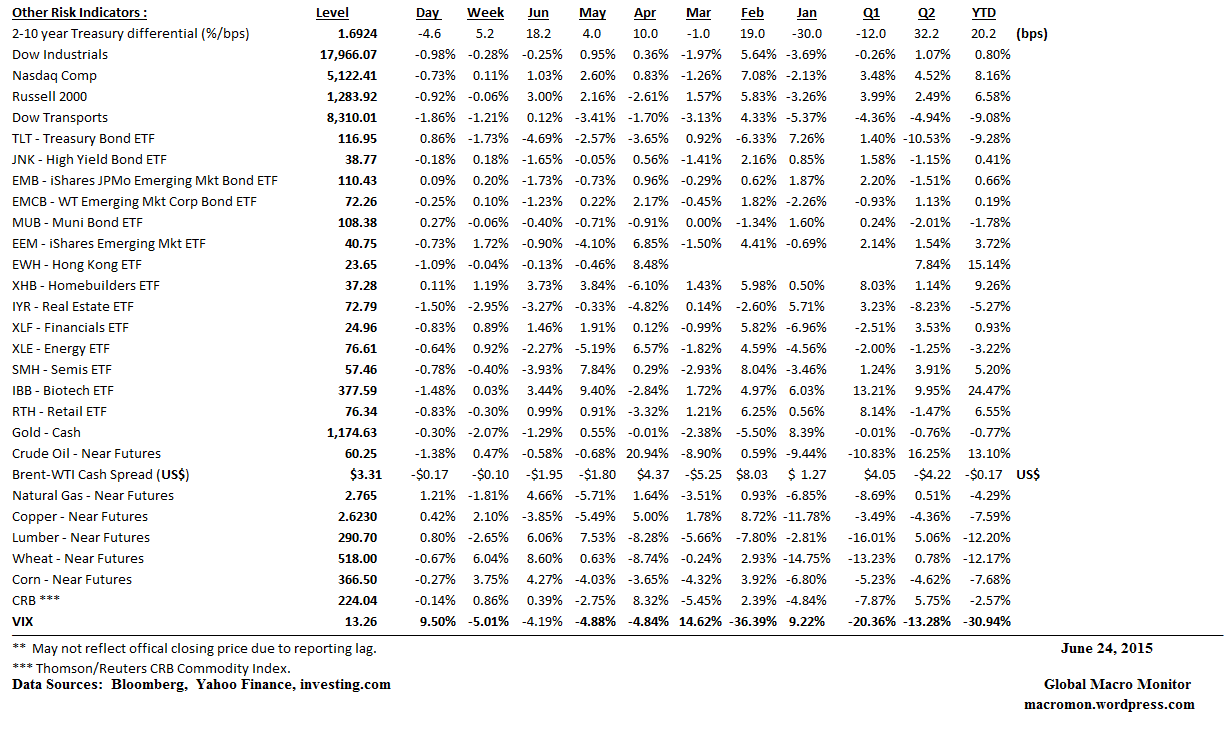
(click here if table is not observable)
Bond markets have been dominated by talk of a liquidity drought. Isaac Chang, global head of fixed income at KCG, joins US capital markets reporter Joe Rennison to talk about what the issue and offer his thoughts on where markets go from here.
For more video content from the Financial Times, visit http://www.FT.com/video
(click here if video is not observable)


(click here if charts are not observable)
Cocoa, coffee and minerals are especially vulnerable to the weather pattern first named by Peruvian fishermen.
– The Economist
(click here if video is not observable)
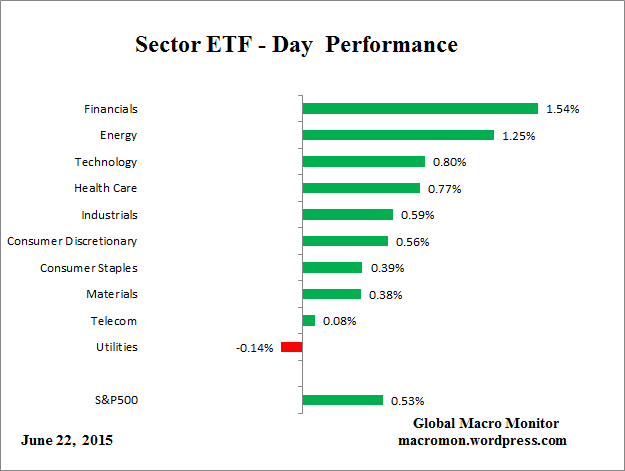

(click here if charts are not observable)
The FT’s Martin Sandbu explains why Greece is facing the spectre of default and what happens if a deal is not reached.
For more video content from the Financial Times, visit http://www.FT.com/video
(click here if video is not observable)
People are wired to notice lions much faster than they notice apple trees. That’s why we are alive.
Since there’s no more lions chasing us down Main Street, the news tries to find other ways to trigger that fight or flight reflex. – James Altucher