The Oil-Transport Paradox and the “Avis Distortion”
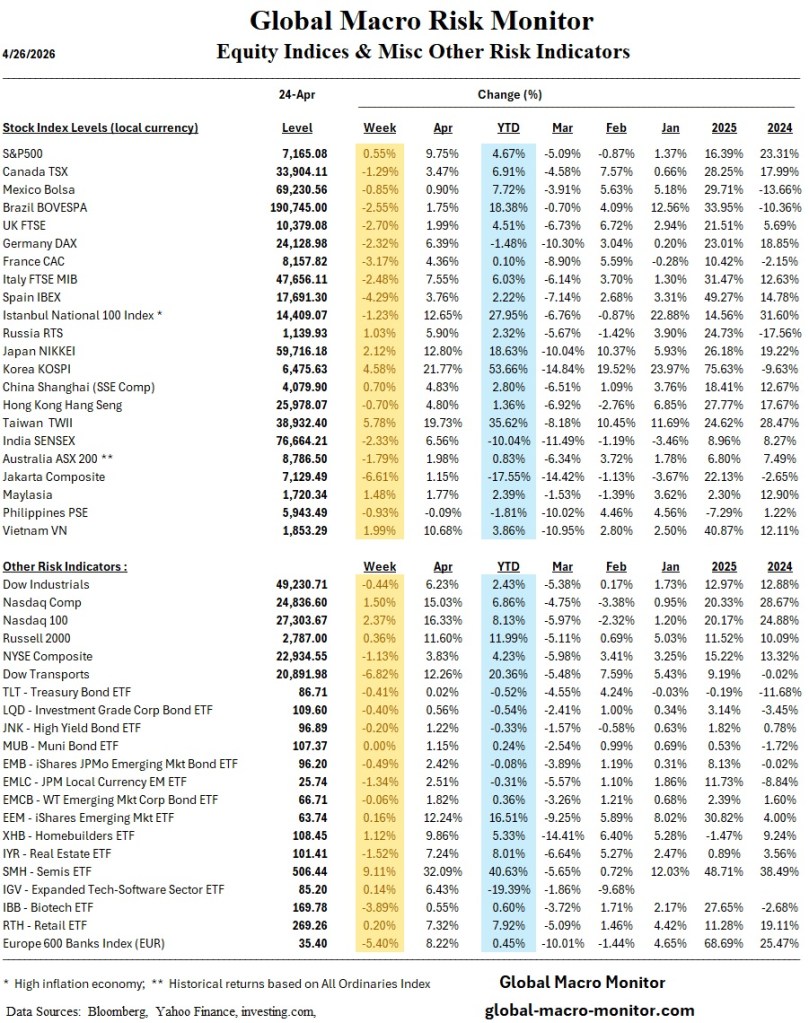
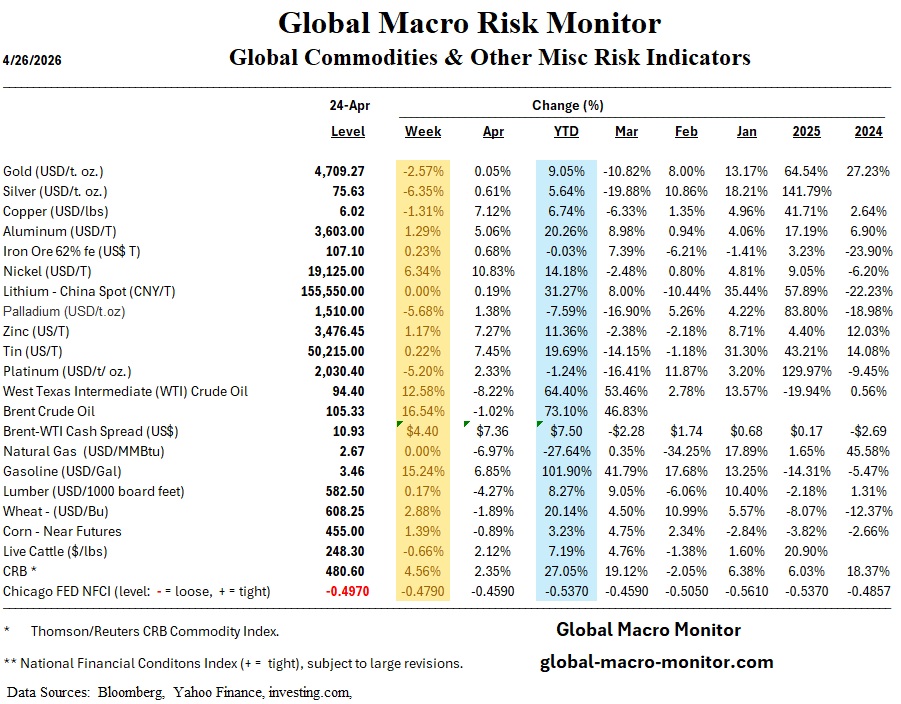
In 2026, the age-old investment rule that “rising oil kills transport stocks” has seemingly been thrown out the window. While WTI crude has skyrocketed 70% year-to-date, a massive cost headwind for airlines and truckers, the Dow Jones Transportation Average (DJTA) has defied gravity, posting significant gains.
But look closer at the index’s mechanics, and you will encounter the “Avis Distortion.” Unlike the market-cap-weighted S&P 500, the DJTA is price-weighted. This means that high-priced stocks carry a disproportionate influence on the index’s total movement, regardless of the company’s actual size. With Avis Budget Group (CAR) undergoing a parabolic short squeeze, its surging share price has effectively propped up the entire index.
Analytical estimates suggest that this single stock’s volatility is responsible for roughly 30% of the index’s YTD point gains. Once you strip away this liquidity-driven anomaly, the true “health” of the broader freight and logistics sector looks far more modest.
Investors relying on the DJTA as a barometer for economic strength should exercise caution. This rally isn’t purely about demand; it is a technical artifact. Distinguishing between genuine operational growth and the Avis Distortion is essential to reading the market’s true pulse.
Big Tech’s Moment of Truth: What to Watch This Week
Investors are bracing for a high-stakes week as the market enters a pivotal stretch defined by two major narratives: the “Magnificent 7” earnings bonanza and Jerome Powell’s penultimate Federal Reserve meeting.
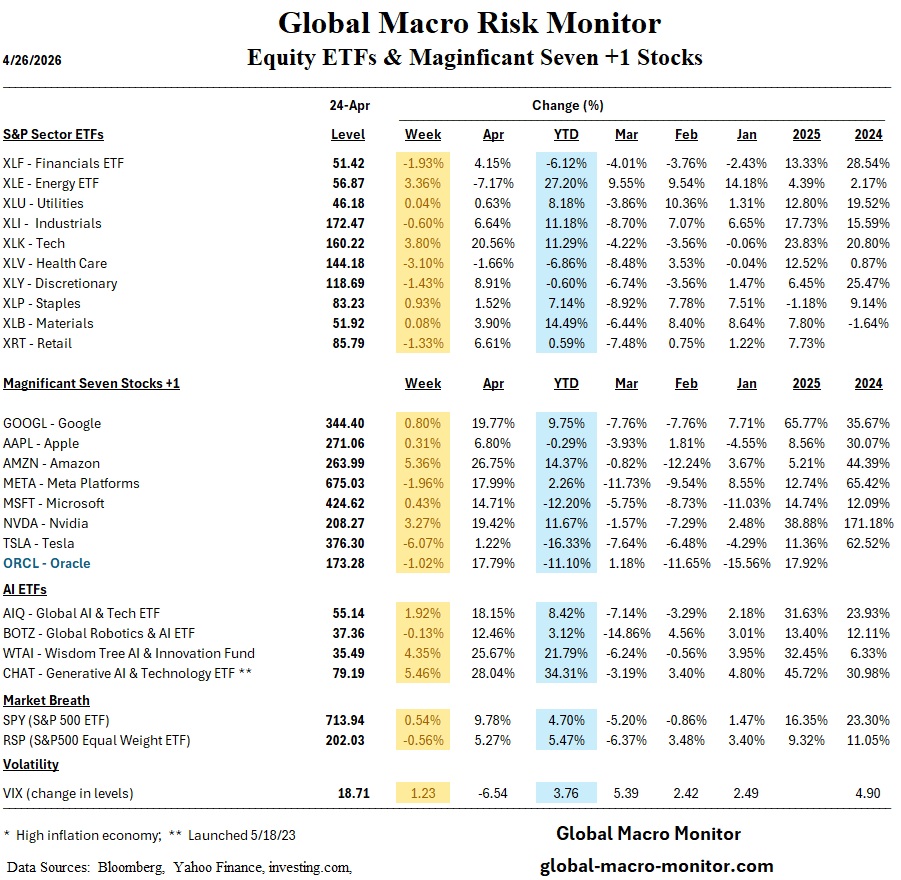
With five of the seven tech giants set to report this week, the focus has shifted dramatically. The debate is no longer just about whether AI demand is real enough to justify massive infrastructure spending. Instead, Wall Street is demanding proof of the Return on Investment (ROI). Analysts will be scrutinizing everything from cloud growth and advertising durability to how these companies are translating massive data center expenditures into bottom-line results. Given that these seven companies now account for over half of the Nasdaq 100’s weight, any earnings disappointments could trigger significant volatility across broader indices.
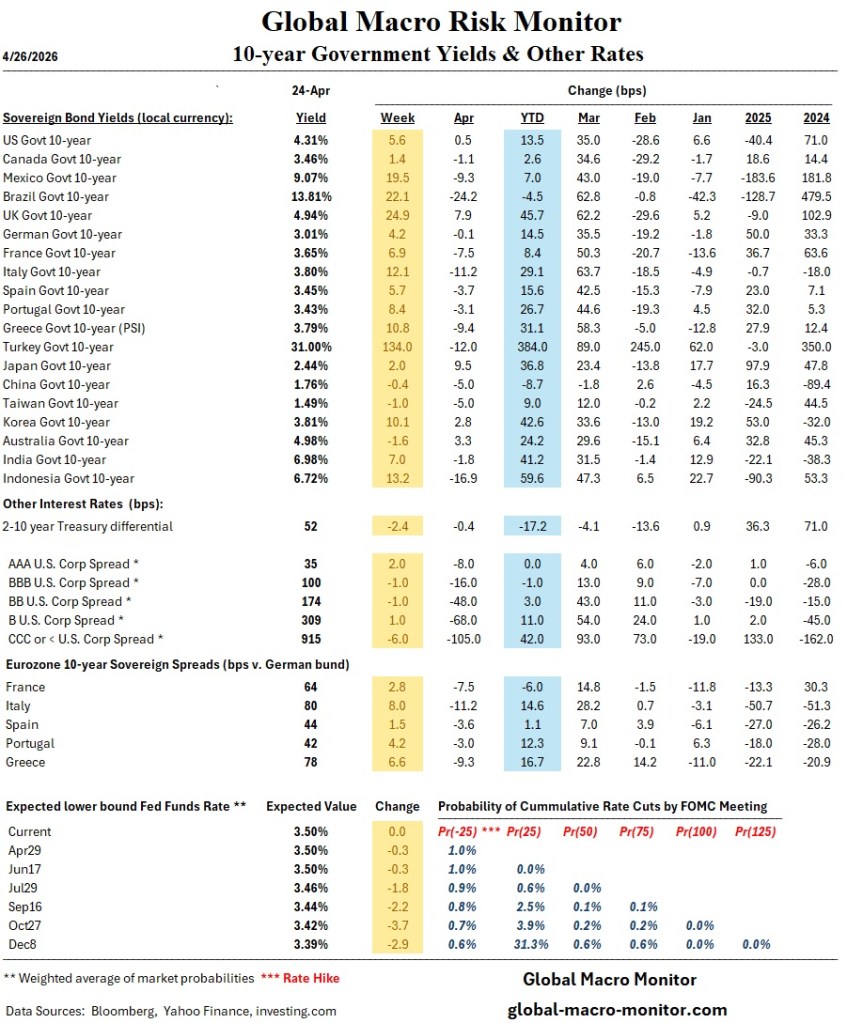
Simultaneously, all eyes are on Jerome Powell as he nears the end of his tenure as Federal Reserve Chair. As the Fed holds its latest meeting, market participants are looking for signals regarding the path forward for monetary policy in an environment where economic resilience remains the dominant trend.
In short, this week will test whether the current market optimism holds up against the realities of corporate profitability and central bank policy.