Click on table to enlarge and for better resolution

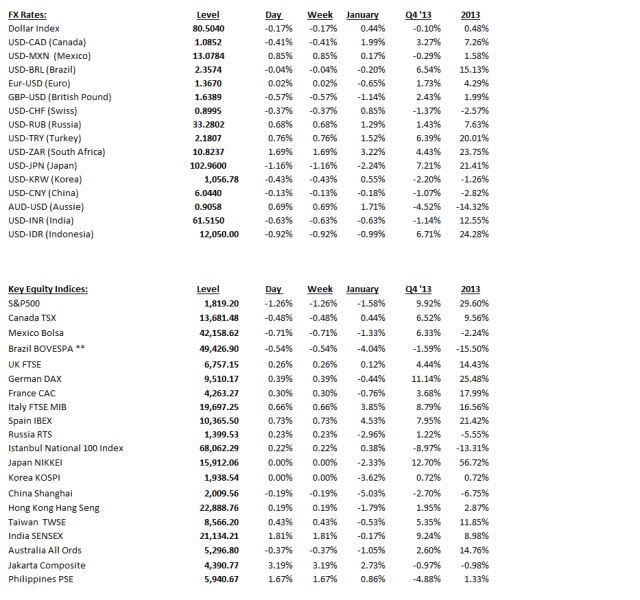
 (click here if table are not observable)
Click on table to enlarge and for better resolution
(click here if table are not observable)

 (click here if charts are not observable)
Here’s where the major global equity markets stand out of the gate in 2014…
Click on chart to enlarge and for better resolution
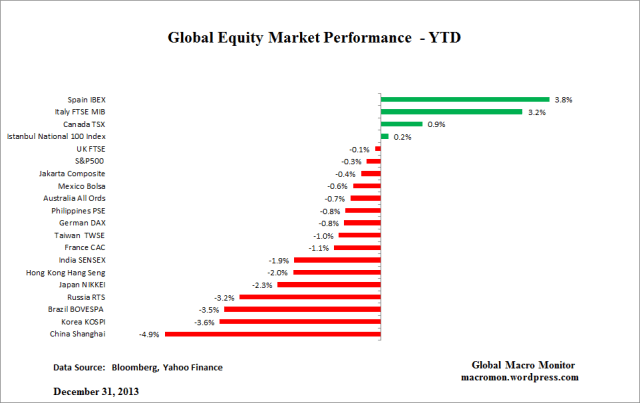 (click here if chart is not observable)
Click on table to enlarge and for better resolution
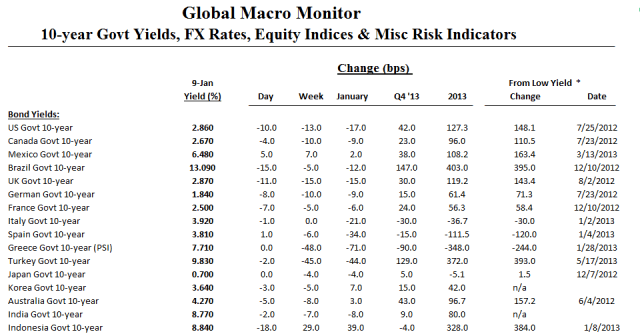
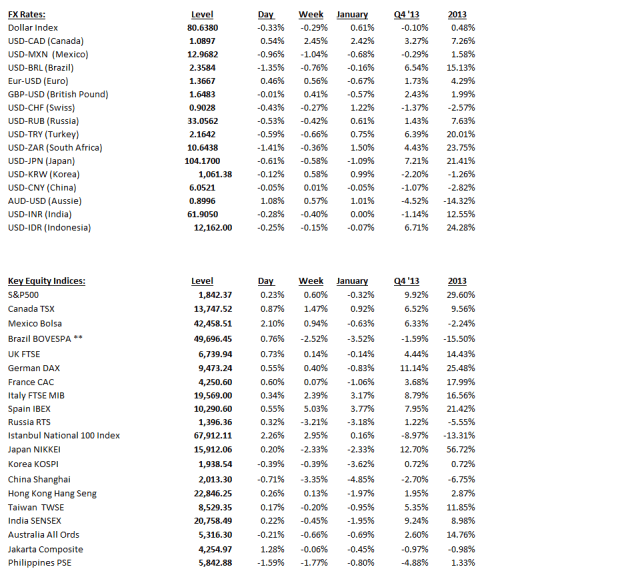
 (click here if table is not observable)
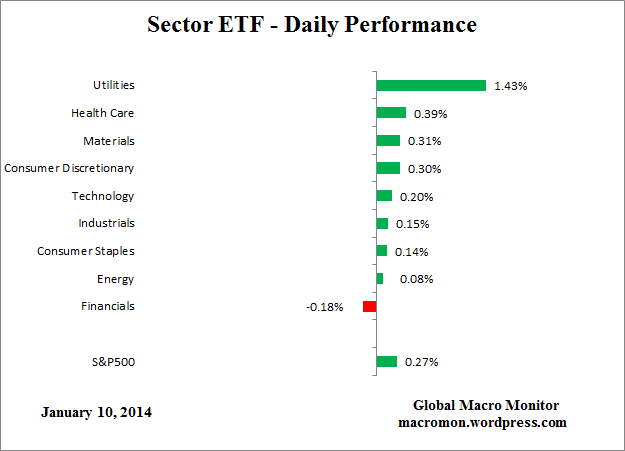
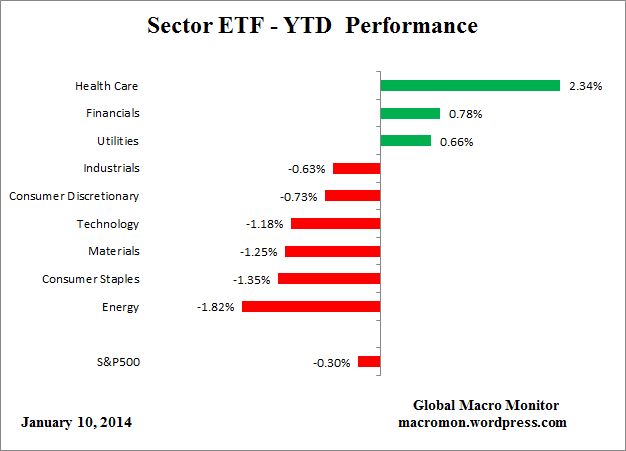 (click here if charts are not observable)
David Kelley, creator of the Stanford d.school, and Tom Kelley, author of The Art of Innovation, run global design consultancy IDEO. In the final part of the FT’s Thinking Big series, they talk to Ravi Mattu about a way to tap the creative in us all.
For more video content from the Financial Times, visit http://www.FT.com/video
(click here if video is not observable)
The BLS reported this morning:
The unemployment rate declined from 7.0 percent to 6.7 percent in December, while total nonfarm payroll employment edged up (+74,000), the U.S. Bureau of Labor Statistics reported today. Employment rose in retail trade and wholesale trade but was down in information.

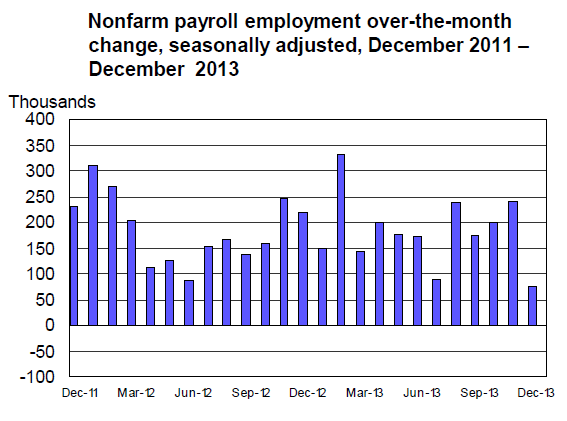
 (click here if charts are not observable)
Click on table to enlarge and for better resolution


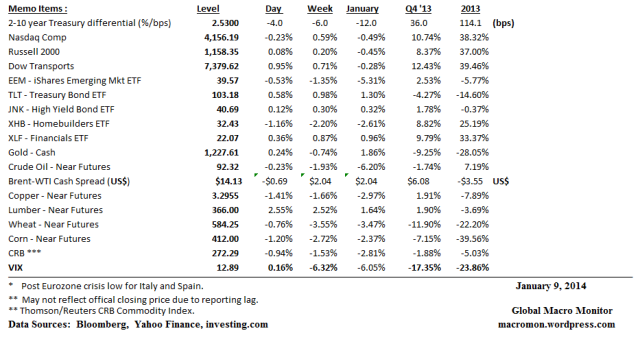 (click here if table is not observable)

 (click here if charts are not observable)