

Hat Tip: @JordanEtem
Also see, The Nine different types of intelligence
Dull. Boring markets.
Fireworks start tomorrow with the first shots are fired in the trade war. The Trump administration has painted itself into a corner and the only way out is a unilateral capitulation on his part.
EM
Forget about. Easy money days are over and the printing presses have been turned off.
A new crisis is brewing and something is about to break. That will be the time to think about getting long. Until then, trade ’em with rentals.
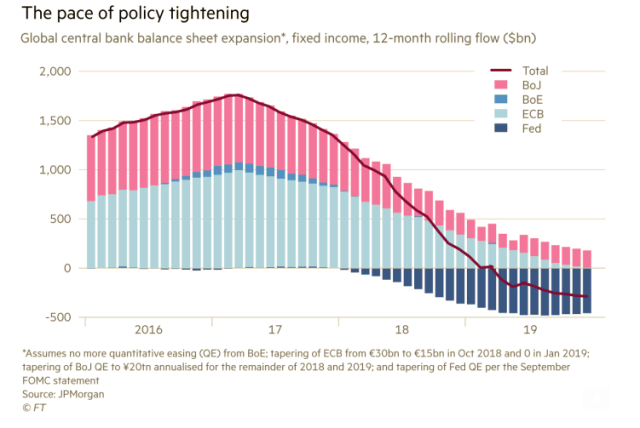

Today’s FOMC minutes release illustrates labor shortages are global in the advanced economies (AE).
Contacts in several Districts reported difficulties finding qualified workers, and, in some cases, firms were coping with labor shortages by increasing salaries and benefits in order to attract or retain workers. Other business contacts facing labor shortages were responding by increasing training for less-qualified workers or by investing in automation. – FOMC minutes
The structural issues, such as aging populations, are finally catching up and overwhelming cyclical factors, which have traditionally been “fixed” by monetary policy, and to some extent, fiscal policy.
Time for some economic overhaul and structural reform. Good luck with that given our economically ignorant pols.
Japan
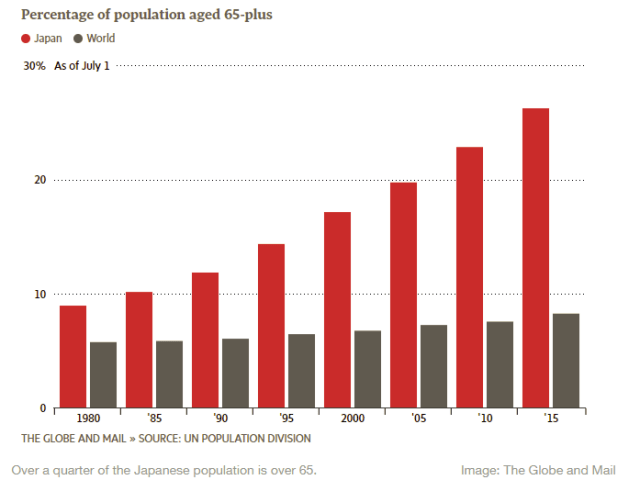
Nowhere is it more an issue than in Japan. ZIRP (zero interest rate policy) and QE won’t create more babies, at least, we don’t believe so!
Here’s a simplified version of the Solow-Swan long-term growth model (LTGM),
GDP growth = Labor growth + productivity growth
Japan is making a big bet on robots to increase productivity in order to offset the perilous effects of a rapidly aging population and shrinking labor force.
 Money quote from video:
“We will disappear.”
That’s serious business, folks. Existential crises everywhere!
Looming US import tariffs on some of the hottest gadgets among younger consumers, from vaporisers to electric scooters and ‘smart home’ devices, threaten to drive up prices
► Subscribe to FT.com here: http://bit.ly/2GakujT
Wow, 242 years young!
We’ve got some problems as we backslide into tribalism and trust in some of our institutions has diminished, but we will get through this.
The Melting Pot
Spent last night drinking too many beers with an American from Senegal and one from Germany. Both had strong accents. We discussed everything to what it is like to be a black man in America to how the German nation of such well educated and “civilized” people were duped into following Hitler. These are the discussions we need to have as Americans, folks.
Nevertheless, as I got comfortably numb downing one IPA after another in a city named Sebastopol, which, BTW, got its name according to The Western Sonoma County Historical Society,
The name of Sebastopol first came into use in the late 1850s as a result of a prolonged and lively fistfight in the newly formed town. It was likened to the long British siege of the Russian seaport of Sevastopol during the then-raging Crimean War.
Britain, France, Sardinia, and Turkey fought Russia in this war, one of the first wars to be directly reported by journalists and photographers. The Crimean War was also the origin of improved medical care of the wounded, primarily due to the efforts of Florence Nightingale, who formed a nursing corps to care for wounded British soldiers. Evidently, many Americans in the west sympathized more for the Russian than for the British cause as there were at one time four other Sebastopol’s in California; one in Napa County, renamed Yountville, one each in Tulare, Sacramento, and Nevada counties.
I thought what a great country. Our diversity, global heritage and history binds us together and makes us strong.
Free Trade and 4th of July
Just a side note on why we’re free traders.
I don’t feel ripped off by China as I see the Red, White, and Blue waving around our neighborhood and watch the sky flowers ignite in tonight’s sky, even if we added to the bilateral trade deficit with China today.
Comparative advantage. It is the very reason why trade between people, communities, states, and nations exist. I am very happy to buy grapes from Chile at the grocery store during our winter months rather than go without.
Thank goodness for free trade. The majority of us are so much better off with trade even if it is sometimes not perfectly “fair” or “reciprocal.” Don’t get us wrong, we are all for negotiating for better deals for the country, but a trade deal takes two sides to agree.
And let us not forget to take care of the losers of trade.
Spending only $600 million per annum on Trade Adjustment Assistance (TAA) is an outrage. Any wonder why many of these communities have an opioid problem?
Every day, more than 115 people in the United States die after overdosing on opioids. That is almost 50K deaths per year, almost as many U.S. soldiers who died in the Vietnam War.
The U.S. government spends almost 7x the annual TAA budget on just one new ship ($4 billion) from its Zumwalt destroyer class, which, by the way, costs $800,000 per round to fire, and can stunningly hit targets 80 miles away.
Priorities, anyone? Just askin’.
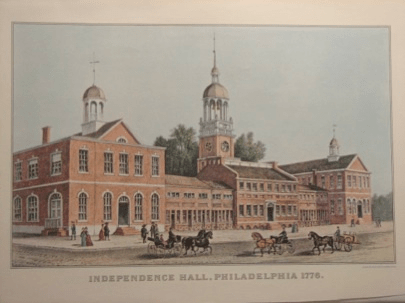
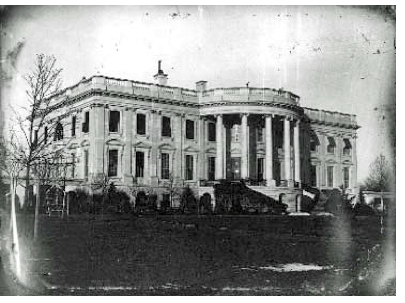
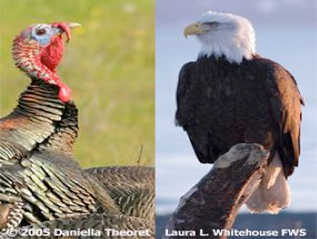
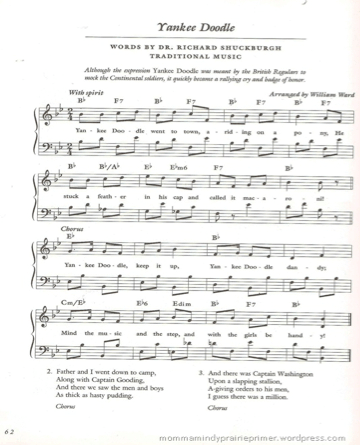
Now for some interesting factoids about this great holiday






Summary
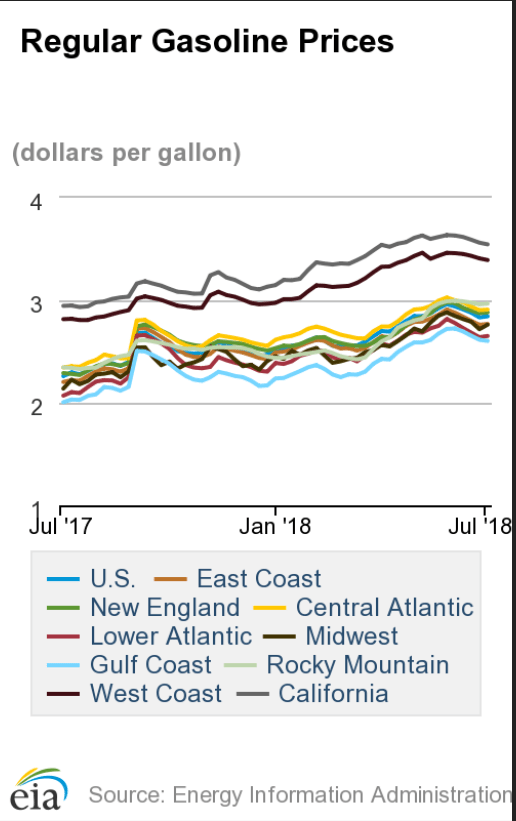
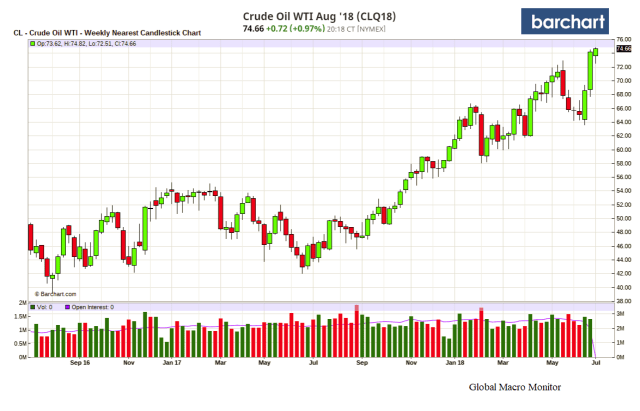
As the price of crude marches toward $80 per bbl, and drags up gas prices, the pols are starting to panic. Midterm elections and high gas prices are a toxic mix.
Surging gas prices could fuel backlash against Trump
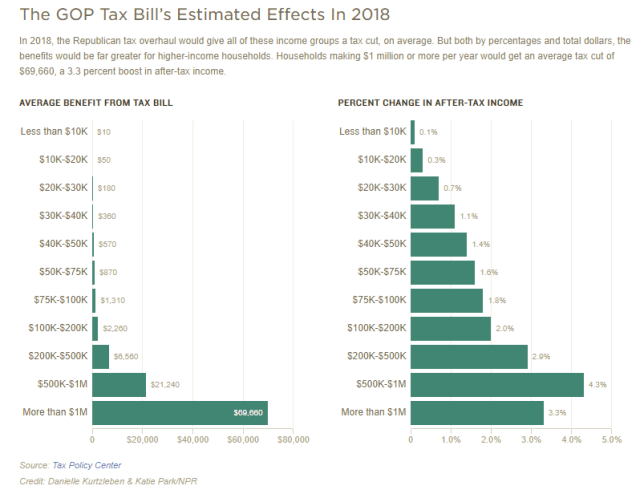
The increase in gas prices is felt most heavily by lower-income Americans — especially in the South where people drive the most — who received the smallest share of the tax-cut benefits. So the increase could hit Trump’s blue-collar Southern base the hardest while potentially eroding confidence in the economy and tamping down consumer spending, which accounts for 70 percent of economic output. – Politico, May 25
Witness President Trump’s tweet over the weekend (completely exaggerated., in our opinion, as it would be the end of OPEC) and talk of releasing crude from the Strategic Petroleum Reserve (SPR), which would have almost zero medium-term impact on prices. Note crude oil prices rose today.
Comparative Analysis
We thought it is time to roll out our comparative analytics to illustrate how the $.60 increase in gas prices over the past year will affect the average driver if prices are sustained or move higher from here.
First, a little primer on what drives gas prices.
The retail price of gasoline includes four main components:
- The cost of crude oil
- Refining costs and profits
- Distribution and marketing costs and profits
- Taxes
Retail pump prices reflect these components and the profits (and sometimes losses) of refiners, marketers, distributors, and retail station owners – EIA
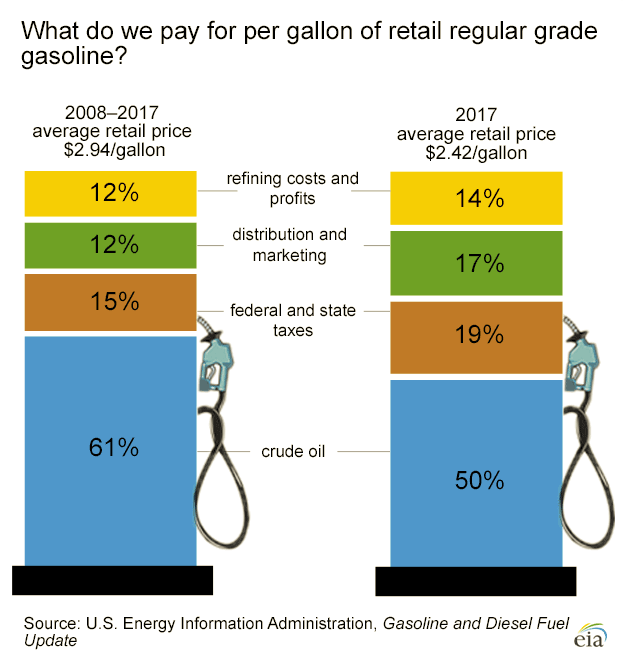
Notice in the graphic about 50 percent of the price of a gallon of gas in 2017 was derived from crude oil. Given the 23 percent rise in the price of crude since the beginning of the year, we suspect the percentage is now between 60-70 percent.
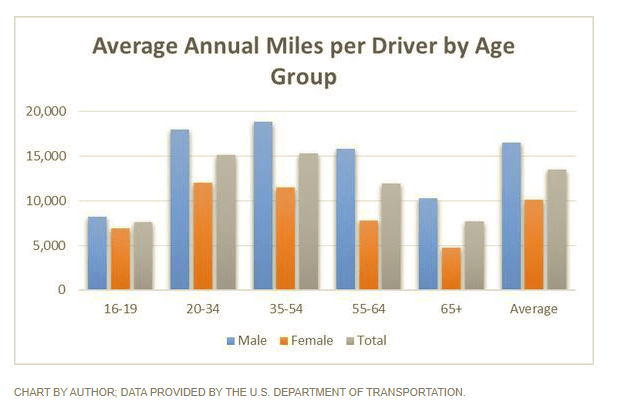
Average American Driver
The Department of Transportation estimates the average American drives 13,474 miles per year, or about 37 miles per day. The average fuel economy for cars and light trucks now stands at about 22 mpg.
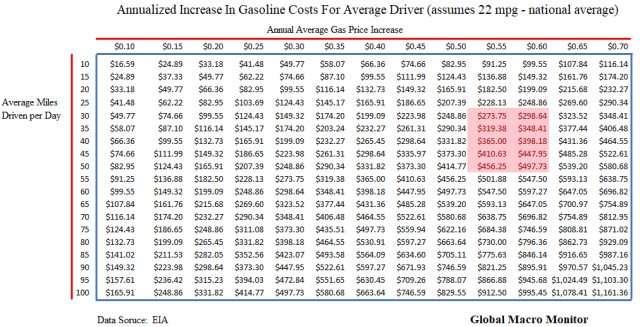
Cost Matrix
We constructed the matrix below, which calculates the average annual cost increase of various gas price changes and daily miles driven assuming the national average fuel economy of 22 mpg.
As illustrated the $.60 increase in gas prices since last year, if sustained, will cost the average driver around $400, which wipes out the tax cut for most middle class families with two drivers per household.
Play around with the matrix to calculate the increase in your annual gas bill given your miles driven. You can also make the linear transformation if your mpg differs from 22 mpg with the following:
22/(your average mpg) x Cost
Red States Hit Hardest
We also looked at the states with the highest miles driven per year. Three out five are Red states.
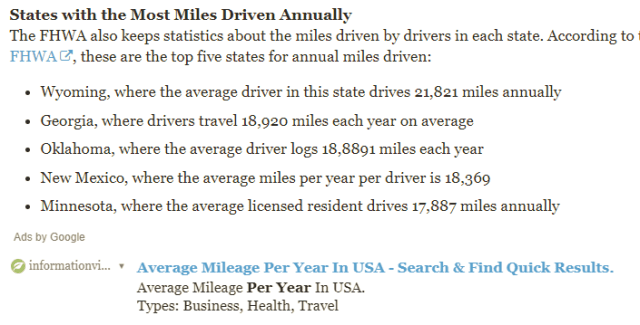
The average driver in Wyoming, for example, is hit with an almost $700 increase in gas bills. We also suspect the state’s fuel economy is less than the national average of 22 mpg. That is real money for the middle class.
Expect America’s withdrawal from the Iran deal, which many believe is driving up prices, to become a major lightening rod and political liability as gas prices move higher into the November midterms.
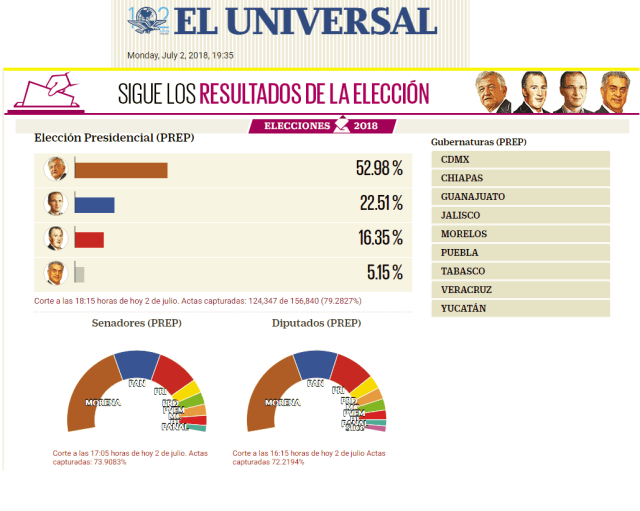
Stunning we were just talking about a Mexican presidential candidate winning a plurality of less than 30 percent just a few months ago. AMLO will enter office with a powerful mandate. If only we knew for what?
Swans relatively quiet. Mexico and Brazil currencies weaker. RMB still sliding.
Nothing happening, all glued to 2-0 Brazil v Mexico World Cup victory.
Machines push it down and buy it back. Go to the beach, read a book, get refreshed for next week.

Guess where I am going to lunch this week? I will give you the full review.
Also going to try and speak with management about capital and the marginal costs to produce a burger versus using labor. Big implications for the tipping point wage rates of burger flippers.



