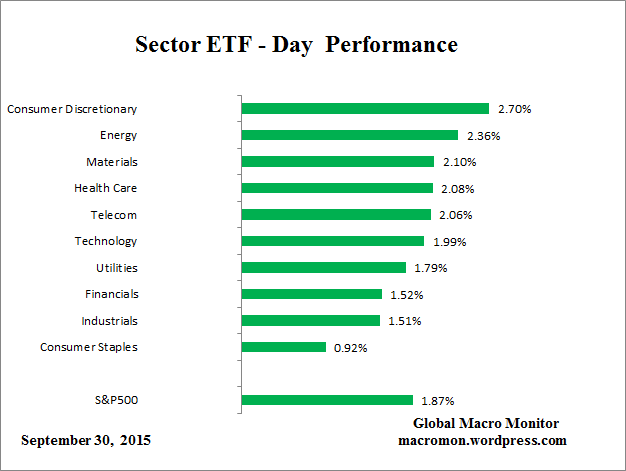
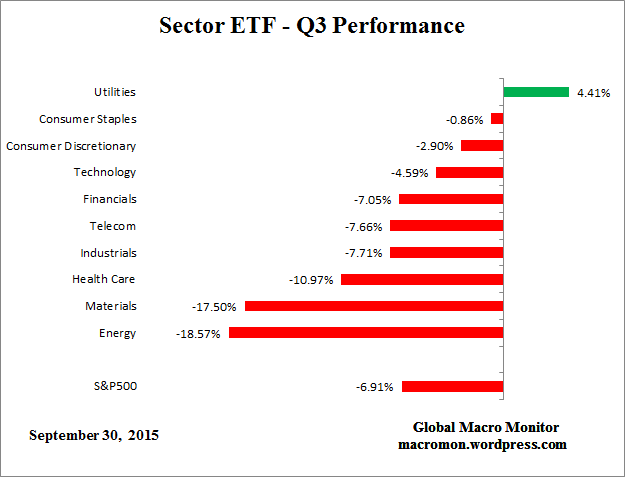
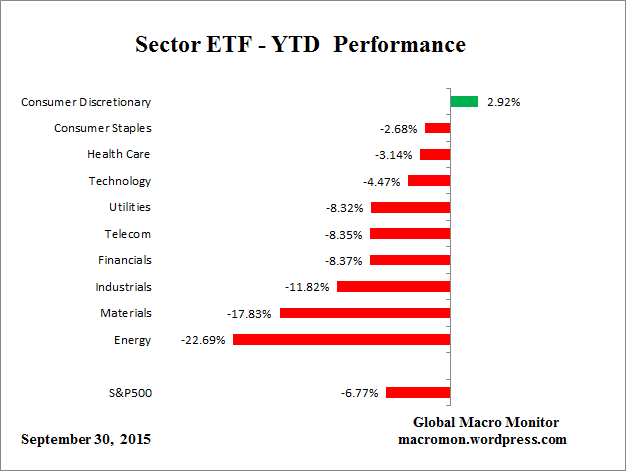
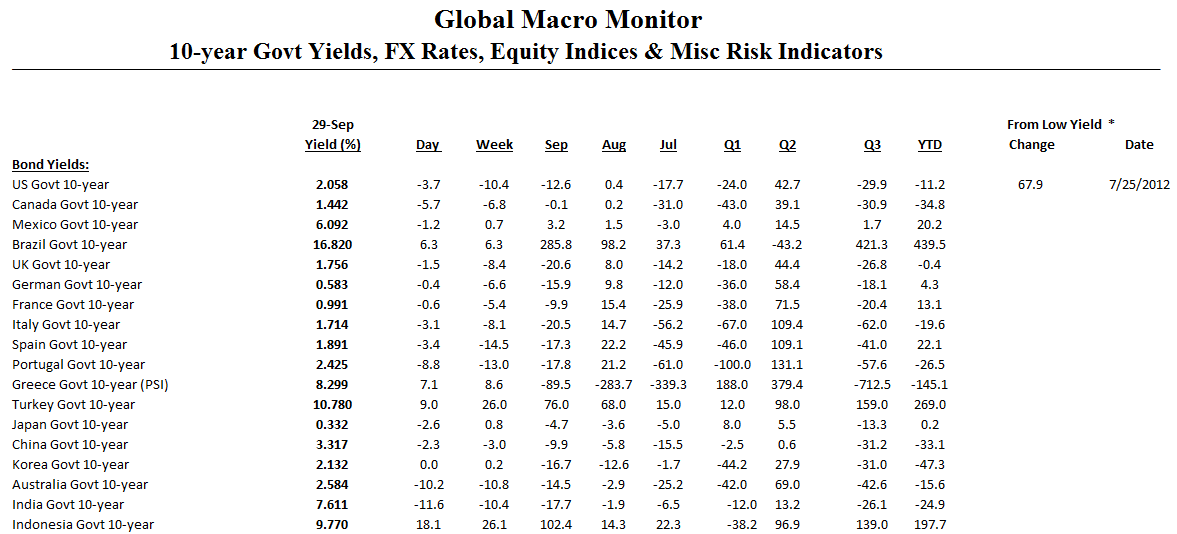
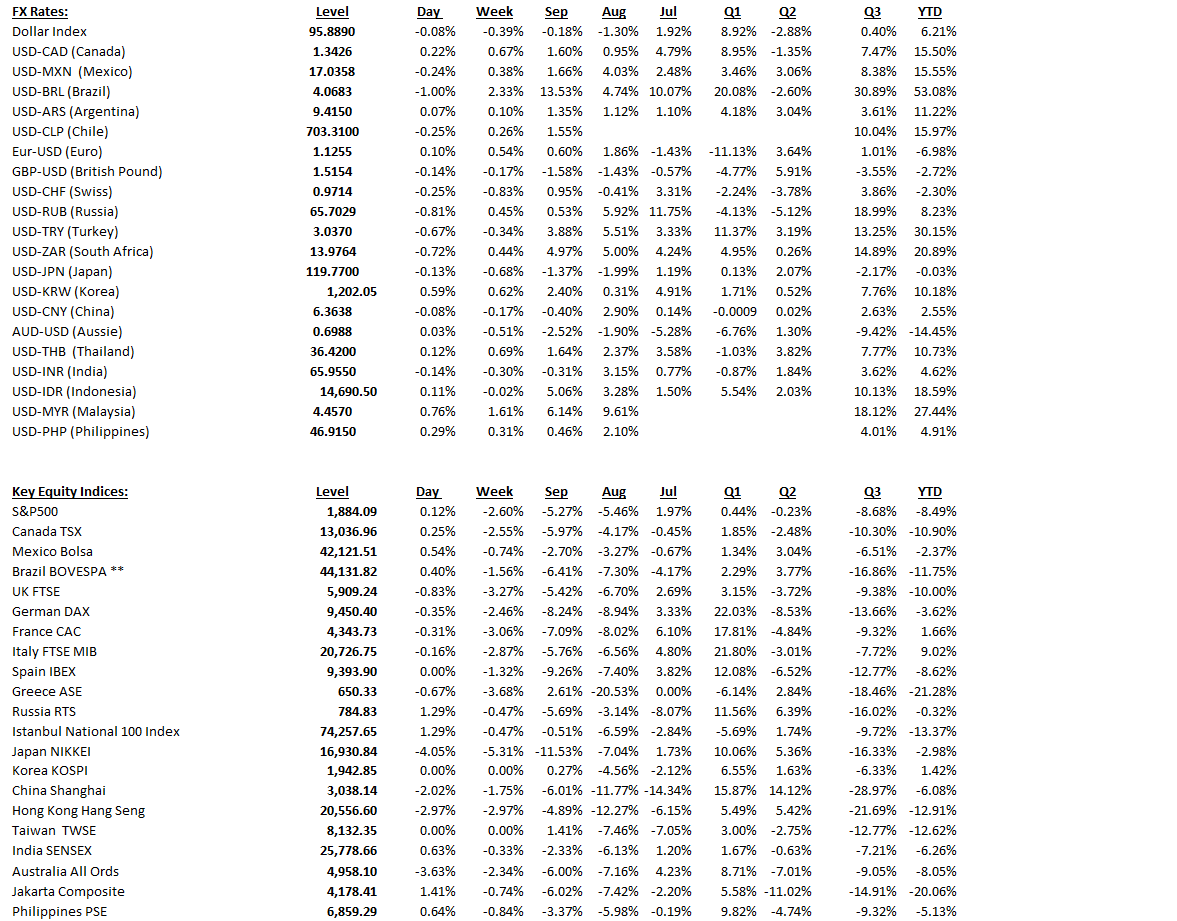
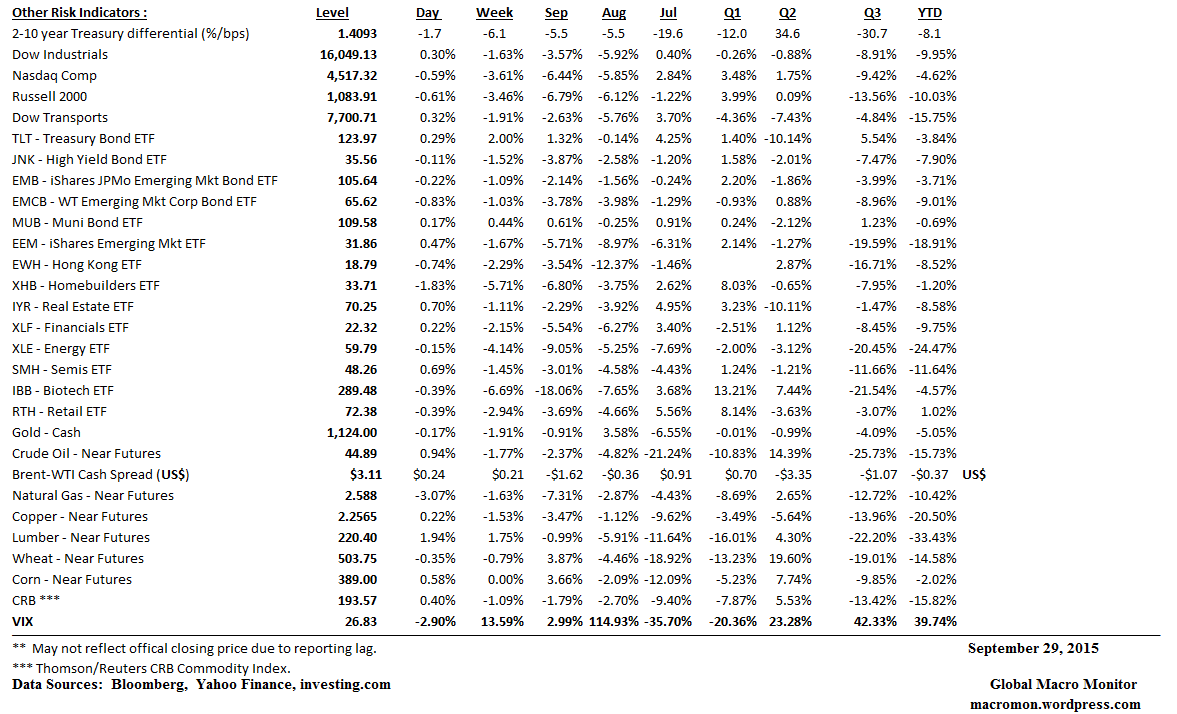
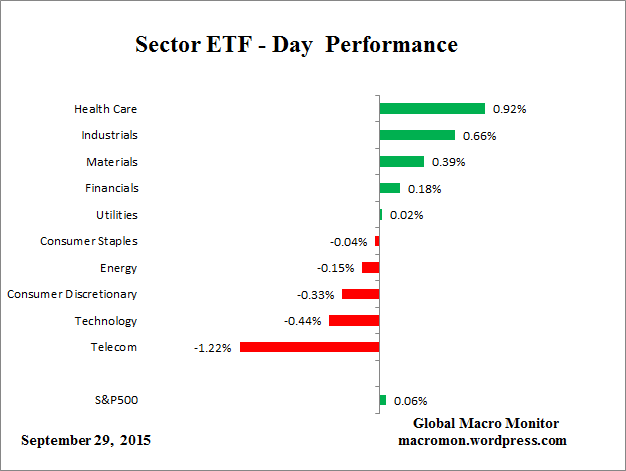
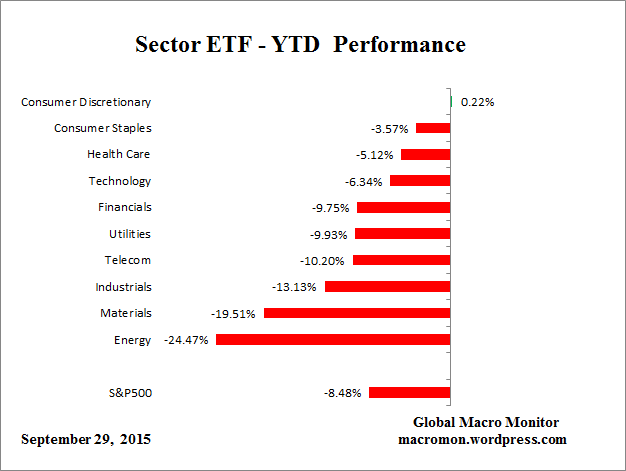
Click on table to enlarge and for better resolution
(click here if table is not observable)
(click here if charts are not observable)
Once the US Federal Reserve raises interest rates it is expected that it will stop at 2%, a zero real rate. David Riley, head of credit strategy at BlueBay Asset Management, tells the FT’s Dan McCrum that investors need new strategies for this higher risk world.
► Subscribe to the Financial Times on YouTube: http://bit.ly/FTimeSubs
For more video content from the Financial Times, visit http://www.FT.com/video
(click here if video is not observable)
(click here if charts are not observable)
The emerging market savings glut may be over as countries raid their reserves to stabilise their currencies. James Mackintosh, investment editor, examines the threat to US bonds and whether the effect on bond yields of a Fed rate rise might be multiplied as a result.
For more video content from the Financial Times, visit http://www.FT.com/video
(click here if video is not observable)
We are not writing much these days, but here’s a repost from last December that we got half right x/ pick up in global growth. Add China to that list as they defend their exchange rate against massive capital outflows. All this explains the piss poor performance in gold, in our opinion. Interesting bond yields not tanking with equity markets.
Last week we pointed out that the crash in oil prices will reduce global liquidity as the revenue of oil exporters falls dramatically.
This raises an interesting question: as petrodollars come out and flows to financial markets are reduced, shrinking the pool of global liquidity, and as the real income of oil consumers increase, will the net result be marginally weaker financial markets and stronger global economic growth?
These countries recycle their oil earnings back into the global financial markets, including the purchase of U.S. Treasury securities. The oil exporters, including Russia and Norway, are the third largest foreign holders of Treasury securities, behind China and Japan.
BNP Paribas reports that this year the flow of petrodollars from energy-exporting countries into world markets will, for for the first time in almost 20 years, turn negative.
The chart below illustrates this, showing petrodollar capital flows peaked in 2006, which contributed to Alan Greenspan’s bond market conundrum and the Fed’s inability to affect long-term interest rates. The forrmer Fed chairman attributes capital inflows as one of major factors causing the credit and housing bubble.
Stay tuned.
(click here if chart is not observable)
(click here if charts are not observable)
What heralded Chinese stock collapse and return to data watch
Perhaps China’s black Monday should not have been such a shock. As calm returns to markets, the FT’s Elaine Moore and Roger Blitz discuss what led up to the collapse of Chinese stocks and how investors are turning their eyes again to data and the Fed.
For more video content from the Financial Times, visit http://www.FT.com/video
(click here if video is not observable)