Why Corporate America Is Debt Dieting After Binge – Bloomberg

Mar.04 — Peter Tchir, head of macro strategy at Academy Securities, and Bloomberg’s Molly Smith discuss the impact of corporate debt on bond ratings and equity markets. They speak with Bloomberg’s Jonathan Ferro on “Bloomberg Markets: The Open.”  – Bloomberg Markets & Finance


CorpDebt_Video

Click here to view the video 

Posted in Uncategorized | Leave a comment

S&P Worth A Scalp To The Upside

This looks like a short-term overreach by profit takers in the S&P.  Buying some at 2771-ish with a stop at 20-day – i.e, 2760 cash — for a quick scalp for the day.   A small headline about pushback in China on trade deal but think we close higher than our entry.  #HateDayTrading


S&P

Posted in Uncategorized | 1 Comment

On This Day In History: Opium War II Officially Begins

March 3, 1857 – France and the United Kingdom declare war on China

Opium Wars

CHINESE HISTORY

Opium Wars, two armed conflicts in China in the mid-19th century between the forces of Western countries and of the Qing dynasty, which ruled China from 1644 to 1911/12. The first Opium War (1839–42) was fought between China and Britain, and the second Opium War (1856–60), also known as the Arrow War or the Anglo-French War in China, was fought by Britain and France against China. In each case the foreign powers were victorious and gained commercial privileges and legal and territorial concessions in China. The conflicts marked the start of the era of unequal treaties and other inroads on Qing sovereignty that helped weaken and ultimately topple the dynasty in favour of republican China in the early 20th century.

The Second Opium War

In the mid-1850s, while the Qing government was embroiled in trying to quell the Taiping Rebellion(1850–64), the British, seeking to extend their trading rights in China, found an excuse to renew hostilities. In early October 1856 some Chinese officials boarded the British-registered ship Arrowwhile it was docked in Canton, arrested several Chinese crew members (who were later released), and allegedly lowered the British flag. Later that month a British warship sailed up the Pearl River estuary and began bombarding Canton, and there were skirmishes between British and Chinese troops. Trading ceased as a stalemate ensued. In December Chinese in Canton burned foreign factories (trading warehouses) there, and tensions escalated.

The French decided to join the British military expedition, using as their excuse the murder of a French missionary in the interior of China in early 1856. After delays in assembling the forces in China (British troops that were en route were first diverted to India to help quell the Indian Mutiny), the allies began military operations in late 1857. They quickly captured Canton, deposed the city’s intransigent governor, and installed a more-compliant official. In May 1858 allied troops in British warships reached Tianjin (Tientsin) and forced the Chinese into negotiations. The treaties of Tianjin, signed in June 1858, provided residence in Beijing for foreign envoys, the opening of several new ports to Western trade and residence, the right of foreign travel in the interior of China, and freedom of movement for Christian missionaries. In further negotiations in Shanghai later in the year, the importation of opium was legalized. – Encyclopedia Britanica 


Posted in China, Uncategorized | Tagged , | Leave a comment

Week In Review – March 1

Summary

  • Euro periphery spreads continue to come in
  • U.S. 10-year yield 10 bps higher
  • German bund 8 bps higher
  • U.S. curve 4 bps steeper on the week
  • U.S. credit continues to rally. Watch this space
  • EM FX x/Asia weaker led down by Brazil
  • China and Euro stocks outperform  global equities
  • Major Latin stocks hit hard
  • Nasdaq outperforms U.S. major indices
  • Financial conditions continue to loosen
  • Natural gas leads commodity complex higher, now up almost 11 percent since we cited the “widow maker” was freakishly low and deserved a “stab”

Commentary:   The S&P500 was able to close above the 2800 level for the first time since November 8th, which is was huge.  The highest close since the Q4 crash is 2813.89 on November 7th.  The highest intraday level is 2816.94, which was tagged on October 17th.  The stock rally is confirmed by the credit markets with spreads coming in and it does appear 2816 will be taken out sometime soon, making the path of least resistance higher and a new high.  The biggest risk is that POTUS and/or President Xi gives us a negative surprise on their trade deal.

We are watching the National People’s Congress in Beijing this week; comments from Mario Draghi at the ECB meeting; retail earnings in the U.S, including Costco, Target, Kroger, and Dollar Tree. Salesforce will be big in the tech schpace, and the economic data culminating in nonfarm payrolls on Friday.  Also, keeping an eye open for German factory orders, Italy GDP, and China trade balance.

Though the short-term trade looks to be higher, and almost everyone is on board, by the way,  we are watching the 10-year note yield carefully as we maintain a rise in real long-term interest rates is what concerns the market most.  Our view remains that long-term investors should be selling into strength, reducing risk, and waiting for a yuge wash out.  Valuations are at or close  historical extremes as measured by the Buffet Indicator below and the major shifting geopolitical/economic tectonic plates are moving the wrong direction to put on long-term equity risk.  Waiting for much lower prices.

Let the traders be traders.


Buffet Indicator_Table


Inflation Adjusted NASDAQ

GDP


GDP_2


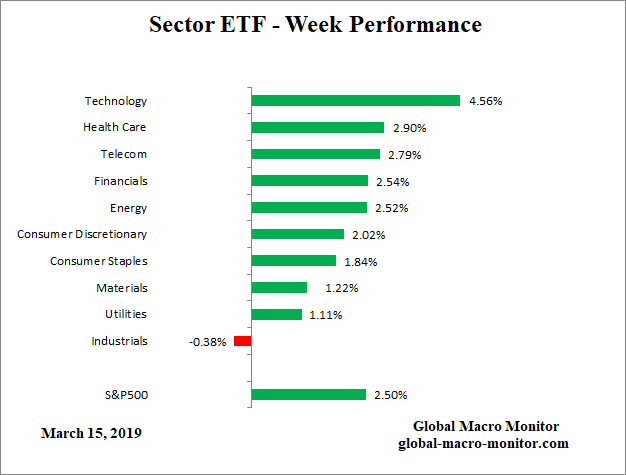
Week_2019_ETFs


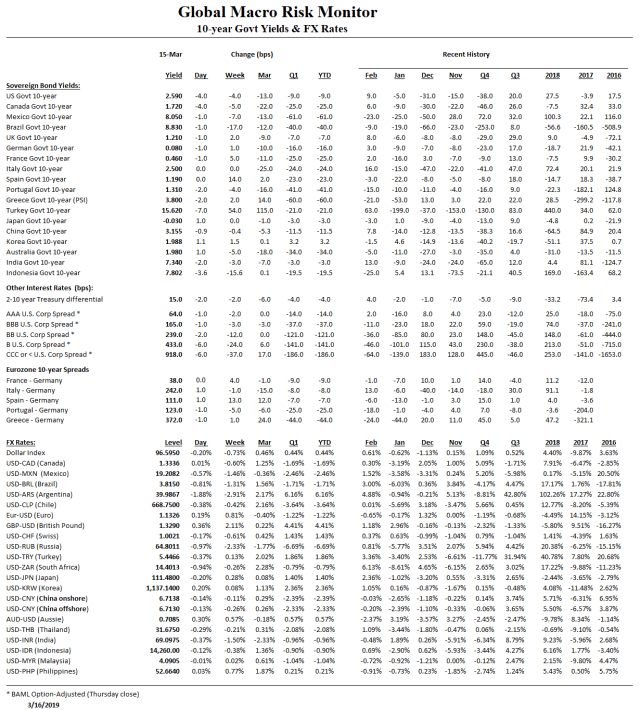
Week_Table

Posted in Uncategorized | Leave a comment

Gotta Get Me One!


Posted in Uncategorized | Leave a comment

Brexit: what would a second referendum look like? | The Economist

Getting closer to the inevitable, IMHO.  Labor is buying in.

Oh yes, you did hear it here (well, we pounded – pun intended – the table) first.

We still think cable trades to 1.35 into an announcement, then some big political volatility that will rock the casbah currency, but eventually moves to the higher end of a 1.40 handle as the remainers win in a landslide.   The simple demographics of death makes it almost inevitable folks, very similar to the political path in the States over the next few years as the old white guys fade away and “millennial socialism” ascends to power.

Of the 600,000 Brits who die annually, Kellner postulated an 80 per cent turnout, with two thirds voting to leave, which breaks down to 320,000 voting to depart the EU and 160,000 wanting to stay.

Meanwhile, 700,000 youngsters come of age each year. In the younger cohort, 65 per cent voted in the referendum, with 87 per cent voting to remain, suggesting each year sees Britain gain 395,000 remain voters and 60,000 leave voters purely by teenagers turning 18.  – Wired

Sterling is trading like an EM currency up almost 4 percent YTD.

Remember our Jan 3rd trade?

Taking cable right here at 1.2670 (March).   Stop at 1.2470.    Target 1.35.

Looking for positive BREXIT news: either Corbyn caves and supports a new referendum or soft BREXIT potential emerges.  We do recognize the risk of big volatility to the downside if the politics go sideways  – GMM, Jan 3rd

We’ve been in and out, which has been a mistake.


Posted in Politics, Uncategorized | Tagged | Leave a comment

Tweet el Xi and Tweet el Jung?

We are a bit confused about last night’s POTUS tweet asking China to remove tariffs immediately on agricultural products.   We know the president is under tremendous pressure from farmers who are losing their arse and their farms in his trade war.

“Farm loan delinquencies just hit the highest level that we have seen in 9 years.”  – WashPost, Feb 28th

Stumped

If negotiations are going so well and China is ready to agree to buy billions, and billions and billions of additional American goods, mostly ag, over the next several years to reduce the trade deficit, by extension doesn’t that mean the tariffs come off?

Or is Trump just looking for a good faith gesture by the Chinese for not slapping on additional tariffs yesterday?   The Chinese might find the tweet offensive as the tariffs Trump is asking them to reduce are mainly retaliatory from the first round of the trade war.  China could respond “we have already made a concession by not slapping on additional tariffs to retaliate against the tariffs the U.S. threatened to implement on March 1.”

Or is POTUS trying to score political points in the farm belt ensuring that he gets credit when a final deal is struck?  It will take some time for farmers to recover from the China trade shock and will still have to worry about an additional round of retaliatory tariffs if POTUS goes to war with Europe over autos.

Or is the president trying to put more pressure on Xi for additional concessions?

Or is not everything as awesome as Lary Kudlow projects in the China talks?

Or is Trump trying to look tough after the North Korean summit debacle?  By the way, the president did the right thing by walking but should have never been in Vietnam with KJU, in the first place.

Or is the fact we are talking about it exactly what motivates POTUS to tweet?

Or is the tweet just random impulse and nothing there?

Or…?   You decide, folks.

Posted in President Trump, Trade War, Uncategorized | Tagged , , , | 3 Comments

Global Risk Monitor – March 1

RM_2

RM_1

Posted in Daily Risk Monitor, Uncategorized | Tagged , , , , , | Leave a comment

‘Toon of the Day: Charlie Brown Negotiations

Come on now.  Put your politics aside and smile at this one.

For those not familiar with the comic strip, see here for some context.

Toon of the Day_Trump Charlie Brown.png

Hat Tip:  Social✽Fly   @socflyny

Posted in Cartoon of the Day, Uncategorized | Tagged , , , , | 1 Comment

Sector ETF Performance – March 1

ETF_Day

ETF_Week

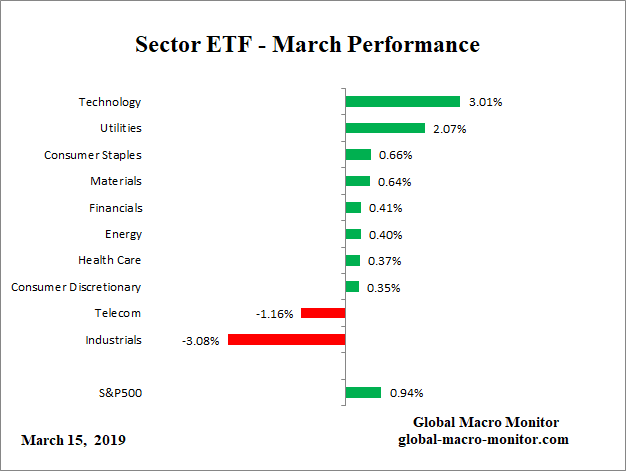
ETF_Month

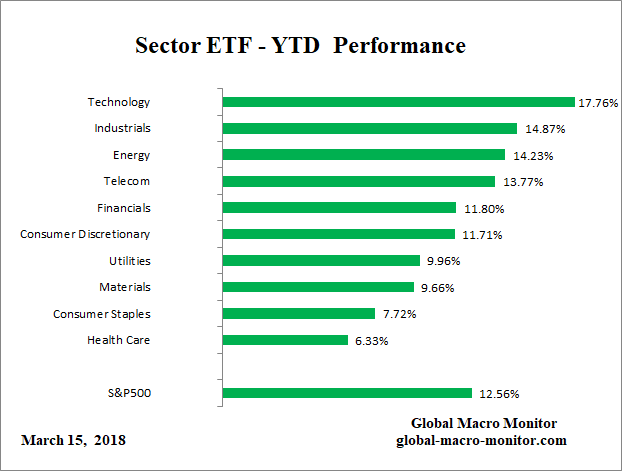
ETF_YTD

Posted in Sector ETF Peformance, Uncategorized | Tagged , | Leave a comment