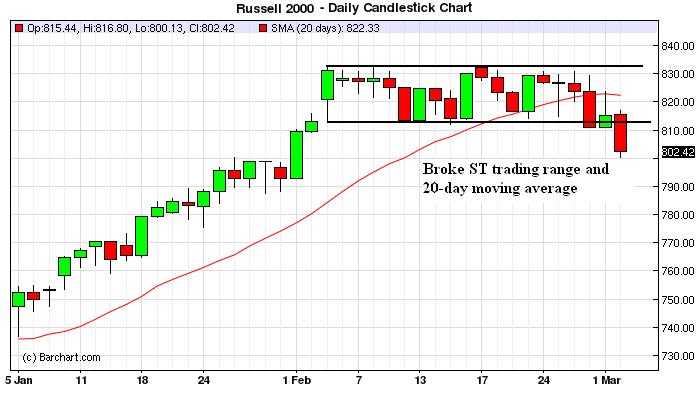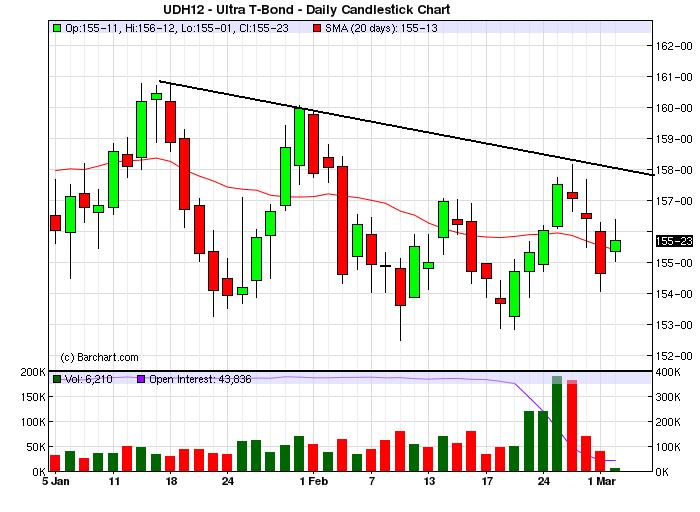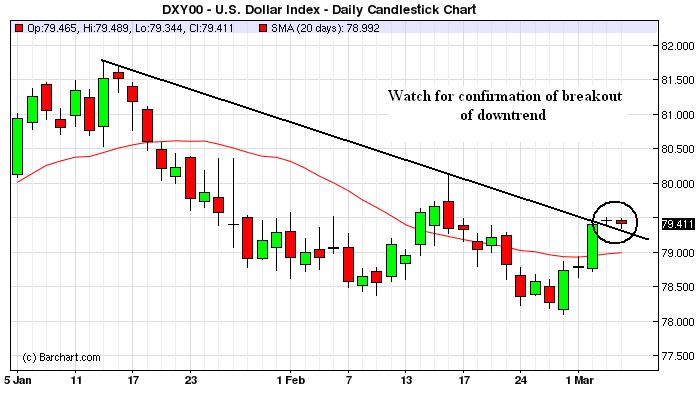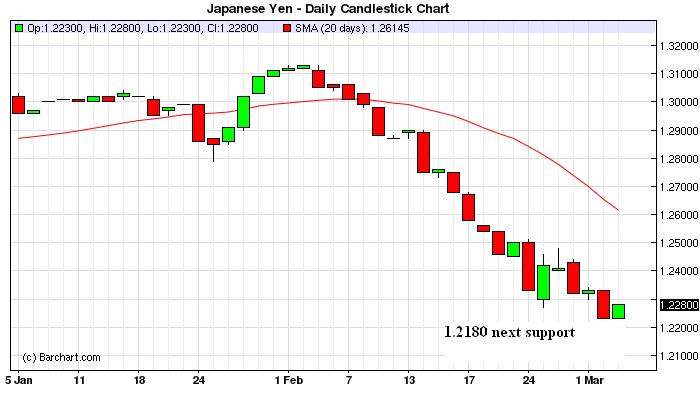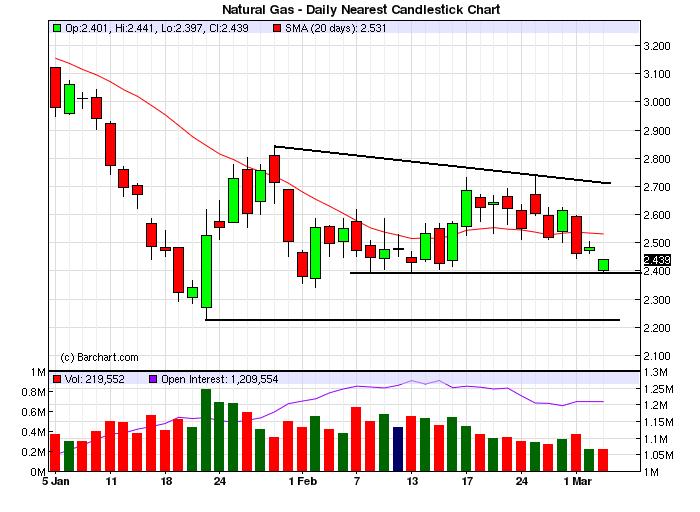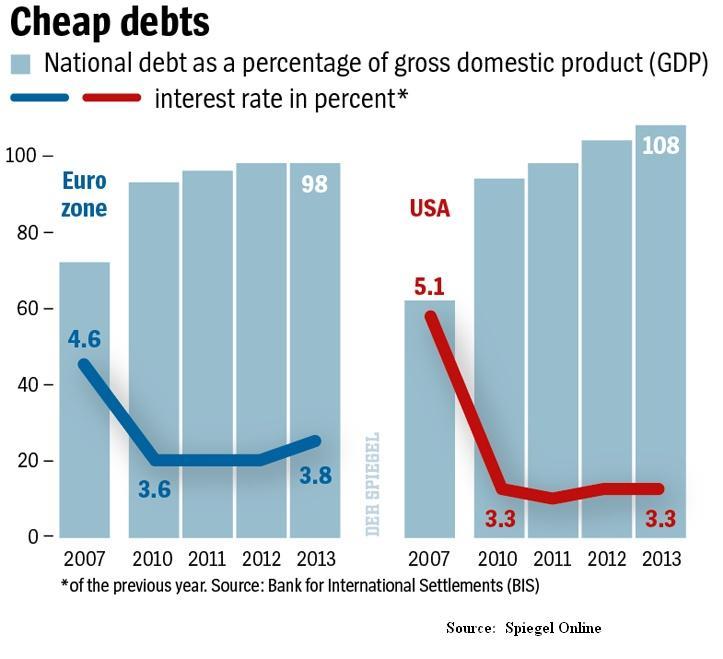
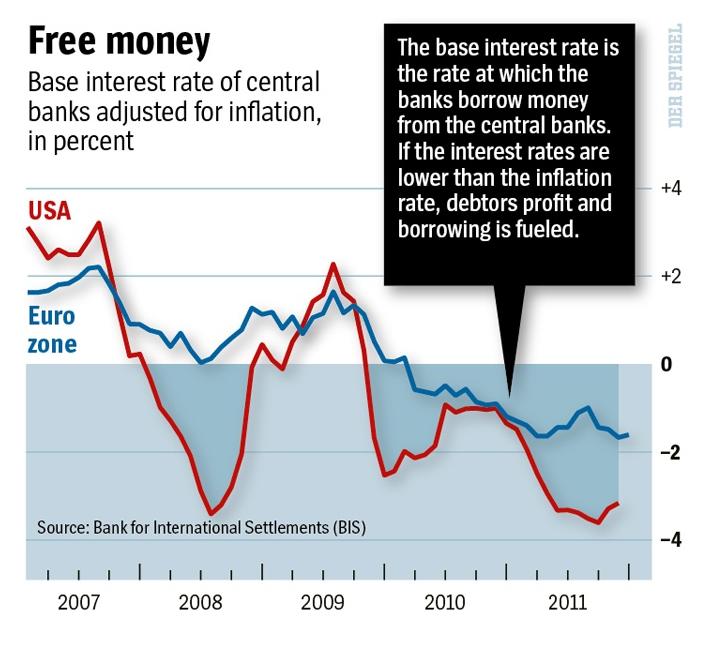
The Great Sovereign Debt Enabler: Low Interest Rates

(click here if charts are not observable)

Posted in Black Swan Watch, Sovereign Debt, Sovereign Risk | Tagged , , | Leave a comment

Iceland’s ex PM: ‘We didn’t know the banks were fishy’

The balance sheets of Iceland’s banks were 9x the country’s GDP before the crash.  Stunning!

(click here if video is not observable)

Posted in Black Swan Watch, Sovereign Debt, Sovereign Risk | Tagged , | Leave a comment

S&P500: Next Stop 50-day?

We posted last week that the S&P500 could go to 1340 and then we’d reconsider our market view.  Interestingly,  today’s low on the cash S&P500 was 1340.03.

We also had doubts there were enough sellers to take equities down.   It looks like the profit taking in Apple, which hurt us,  prior to tomorrow’s announcement and worries over closing the Greek bond swap were enough to spank equities, however.   Not to mention worries over Chinese growth.

We now think 1320, which coincides with the trend line in the move since October and the 50-day moving average is THE entry point and THE  line in the sand.  This is a healthy pullback unless Europe starts to unravel again.

Stay flexible.

(click here if chart is not observable)

Posted in Energy, Euro, Sovereign Debt, Sovereign Risk | Tagged , | 1 Comment

Why the Yen is swan diving

The WSJ does a good explaining what is driving the Yen and seems to agree with us that there is a huge difference between quantitative easing to stimulate the economy versus monetizing bad government debt for which there is no demand.

The Germans seem to be the only people on earth who fully understand this and recognize that money demand could collapse if markets realize and begin to internalize the difference.  This is surely not the type of inflation Japan wants.   Or maybe it does?

We don’t think Japan is there just yet but it is inevitable, in our opinion.   Ditto for the U.S. unless Congress begins to address the structural deficit and the country’s debt problem.

The Wall Street Journal writes,

The distinction—between buying bonds to stimulate the economy and doing so to bail out free-spending politicians—is important to economists and central banks.

The controversial practice of “monetizing the debt” is considered dangerous because it could encourage profligate governments to keep borrowing, risk setting off runaway inflation, and undermine central-bank independence by lashing monetary policy to political spending decisions. The BOJ says it is doing this to help end a long period of deflation, not to support the government. It has resisted taking this step for years…

The BOJ stirred questions about debt monetization after its Feb. 14 policy meeting, when it significantly expanded its 1½-year-old asset-buying program. The total amount of the central bank’s planned government debt purchase through the end of this year jumped to nearly ¥38 trillion ($465 billion), an amount roughly equal to all the new bond issuance planned by the Japanese government for the period.

This is the first time since the program began in October 2010 that central-bank-asset purchases came anywhere near the amount of government new issuance.

And this from a JP Morgan analyst in the same article,

The BOJ stirred questions about debt monetization after its Feb. 14 policy meeting, when it significantly expanded its 1½-year-old asset-buying program. The total amount of the central bank’s planned government debt purchase through the end of this year jumped to nearly ¥38 trillion ($465 billion), an amount roughly equal to all the new bond issuance planned by the Japanese government for the period.

This is the first time since the program began in October 2010 that central-bank-asset purchases came anywhere near the amount of government new issuance.

Finally,

If any central bank had incentive to monetize the public debt, it would seem to be the BOJ. Japan’s outstanding government borrowing is forecast to climb to 220% of its gross domestic product this year, according to the Organization for Economic Cooperation and Development, compared with the 181% Greece faced before its latest debt restructuring deal, and 104% for the U.S.

(click here if charts are not observable)

Posted in Black Swan Watch, Japan, Monetary Policy, Sovereign Debt | Tagged , , , | 3 Comments

Greek debt swap deadline looms

This is one of the biggest risks to the markets.

Things could get ugly and if it falls apart due to an abundance of free riders and/or too many vultures holding out for full payment,  head for the bunker.   Stay tuned.

(click here if video is not observable)

Posted in Black Swan Watch, Hedge Funds, PIIGS, Sovereign Debt, Video | Tagged , , | Leave a comment

Political Job Security in Different Countries

Nice chart from the Economist.  Here’s their take,

How long leaders stay in office in different countries

OMAN’s name is thought to derive from a word meaning “a man residing permanently in the homeland”—but “presiding” might be more apt. Since 1945, the starting point for our analysis, the sultanate has only had two rulers, making it the country with the lowest turnover of leaders in the world. Countries in the Middle East tend to hold on to their leaders longer than anywhere else (a little over eight years on average). Africa comes next at more than seven years. Latin America, cursed for decades by coups, has in a more democratic era maintained its tendency to swap rulers every four years or so. Europeans tire of their leaders quicker than any other region, in part due to a general predominance of prime ministers over presidents, but also to power-sharing arrangements in countries like Switzerland. Our methodology, however, looks at individuals rather than terms, so does not fully account for the variations of revolving-door presidencies like that of Russia under Vladimir Putin.

(click here if chart is not observable)

Posted in General Interest, Geopolitical, Politics | Tagged , , | Leave a comment

Ugly Chart Contest

And the winner is…………………..the Yen!

(click here if charts are not observable)

Posted in Ugly Chart Contest | Tagged , , , , | Leave a comment

Week in Review

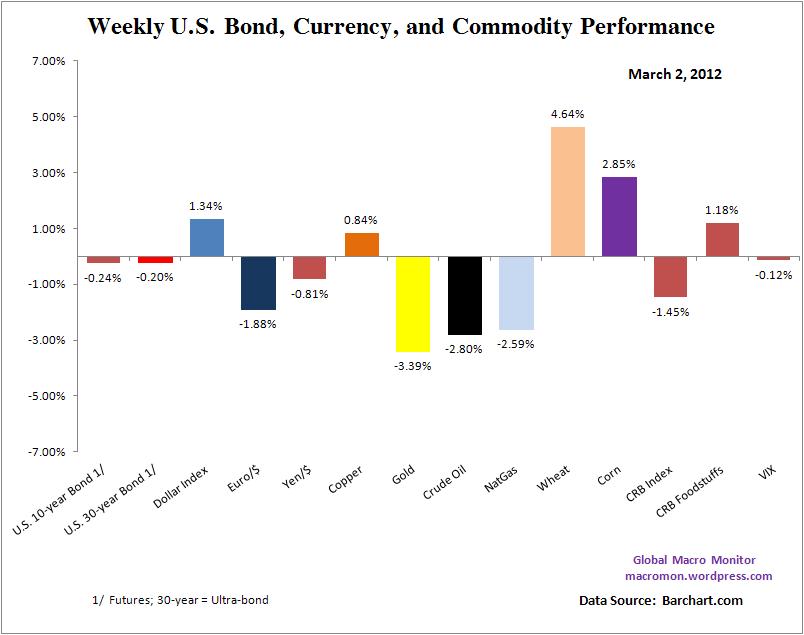
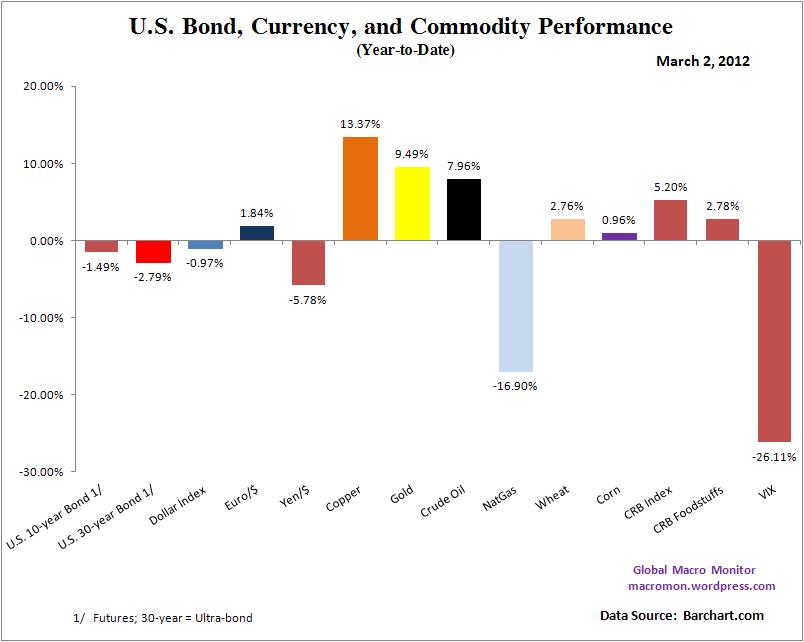
(click here if charts are not observable)

Posted in Week in Review | Tagged , , , , , , | Leave a comment

iPad 3 Concept Features

Prepare to be surprised.   AAPL has run a lot and is overbought, but that’s been the case for the last $200.   Do you think anyone wants to be short or flat going into this week’s announcement?

(click here if video is not observable)

Posted in Apple | Tagged , | Leave a comment

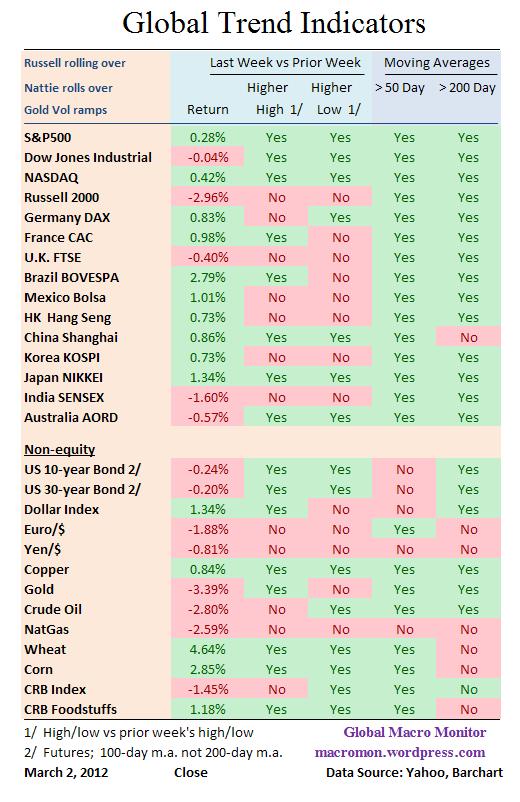
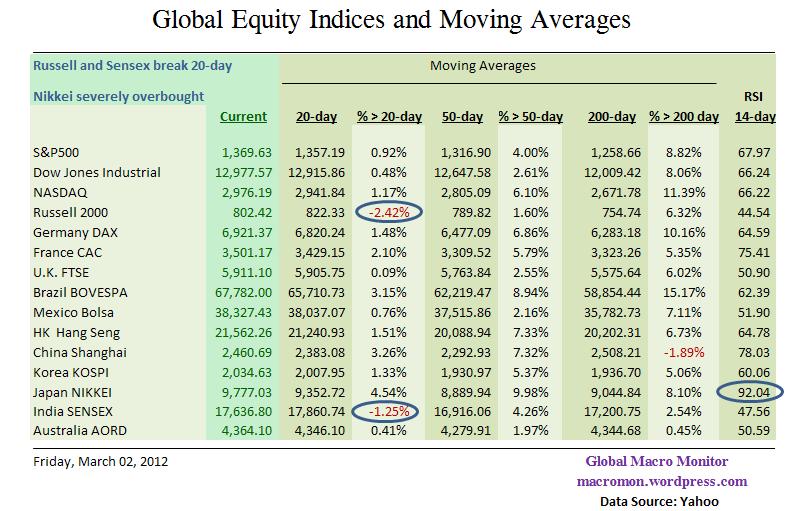
Global Trend Indicators

(click here if tables are not observable)

Posted in Global Trend Indicators, Uncategorized | Tagged , , , , , , , | 1 Comment